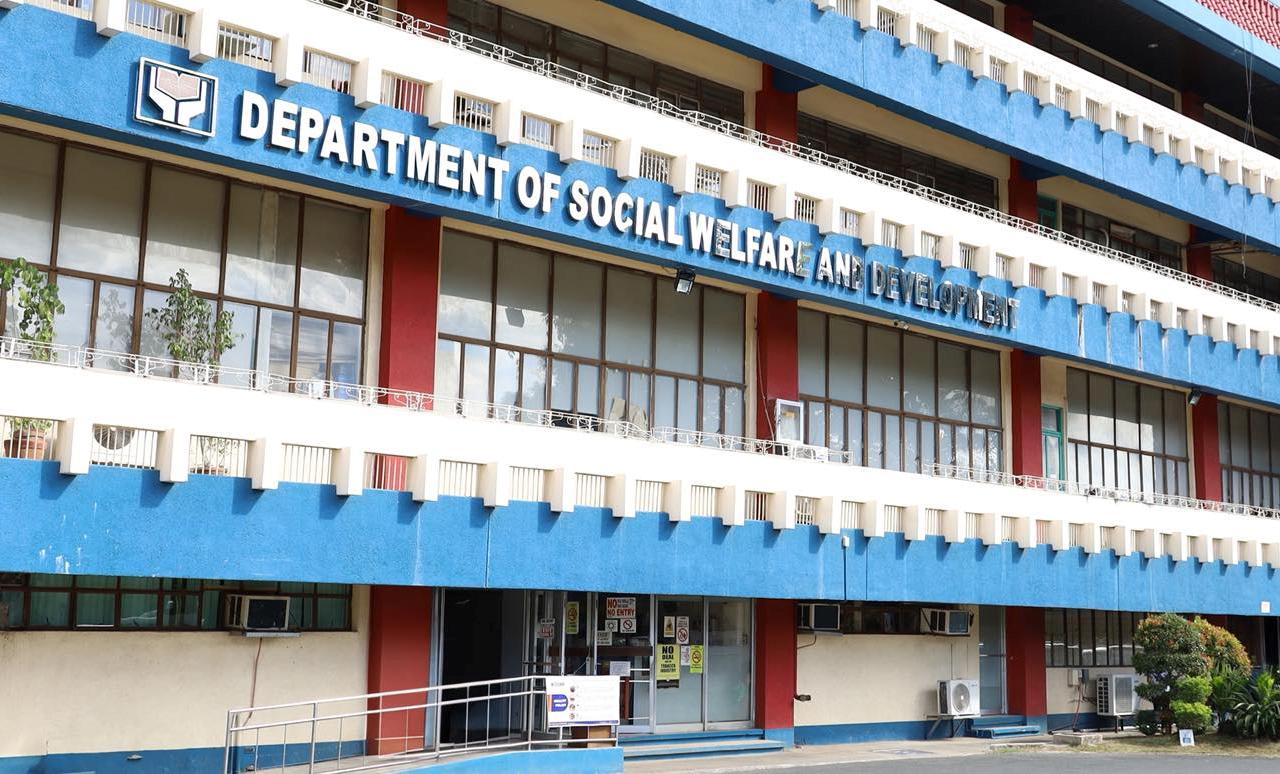
The Overseas Workers Welfare Administration (OWWA) often works hand-in-hand with the Department of Social Welfare and Development (DSWD), an executive department of the Philippine government that is responsible for protecting Filipinos’ rights and promoting social development.
The DSWD implements various programs for the poor, vulnerable, and disadvantaged programs. It also develops and enhances programs for children, youth, women, family and communities, solo parents, senior citizens, persons with disabilities, and other specific groups.
Vision, Mission, and Core Values
According to its official website, the DSWD envisions “an empowered society where the poor, vulnerable, and disadvantaged sectors have immediate and equitable access to opportunities for an improved quality of life.”
The DSWD’s mission is to develop, implement, and coordinate Social Welfare and Development (SWD) policies and programs for and with the poor, vulnerable, and disadvantaged sectors.
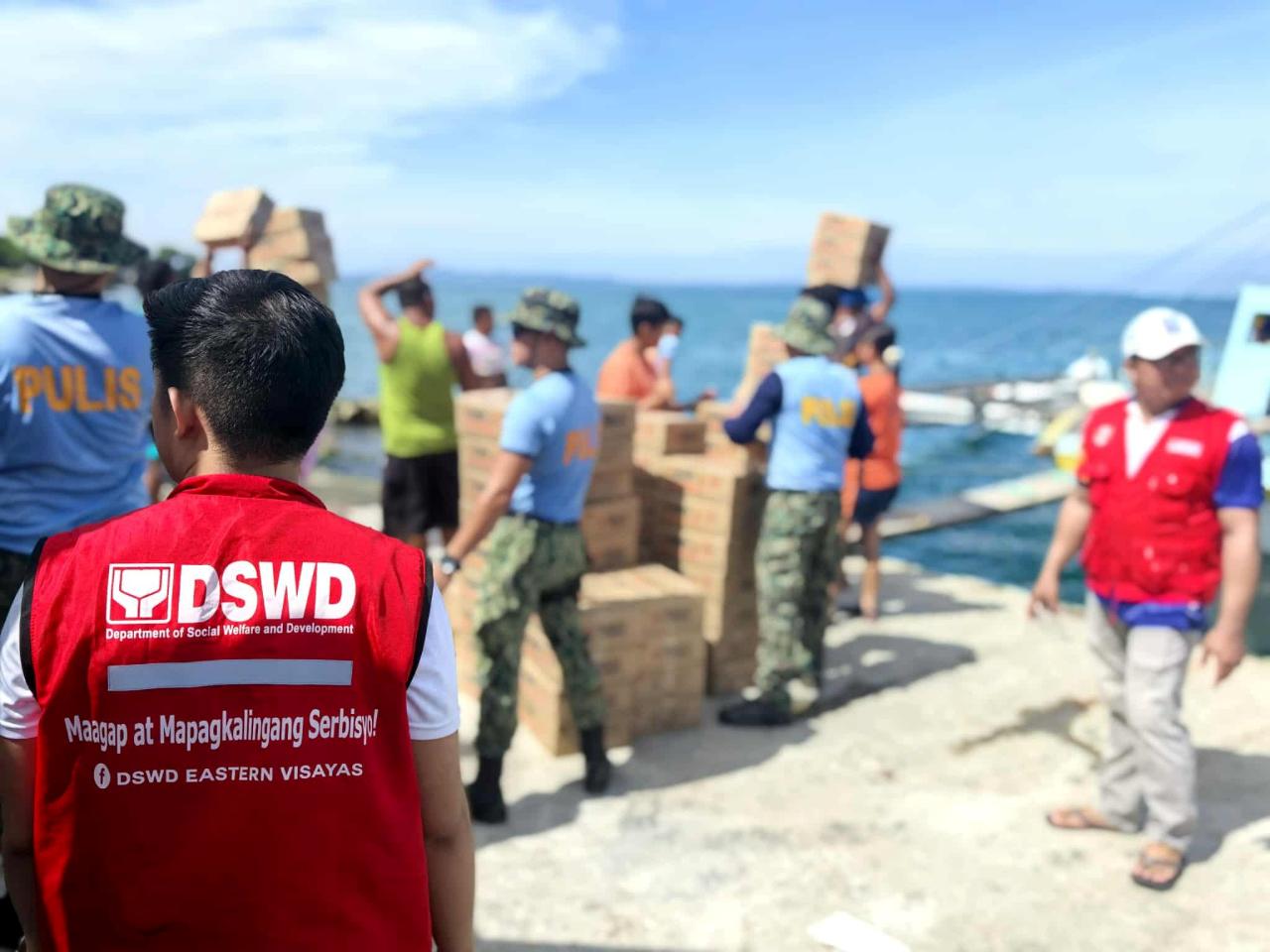
In carrying out its mission, the Department aspires to demonstrate the following core values: Maagap at Mapagkalinga (Proactive and Caring); Matapat (Honest); and Mahusay (Competent/Excellent).
Key Programs
The key programs of the DSWD include the following:
Pantawid Pamilyang Pilipino Program (4Ps)
This is the national poverty reduction strategy of the Philippine government. It invests in the health and education of impoverished households, particularly those with children aged 0-18 years old.
Sustainable Livelihood Program (SLP)
This is a capability-building program for poor, vulnerable, and marginalized households and communities. It seeks to improve their socio-economic conditions by helping them to engage in and maintain livelihoods.
Food Stamp Program (FSP)
This program seeks to address involuntary hunger, malnutrition, and stunting among Filipinos. It enables beneficiaries to buy nutritious foods from accredited merchants and farmer-driven stores. At the same time, it provides a platform for local farmers and fisherfolk to sell their products.
Pag-Abot Program
This program reaches out to families and individuals in street situations (FISS), providing them with basic necessities and opportunities to help them get back on their feet.
Project LAWA at BINHI
Project LAWA (Local Adaptation to Water Access) at BINHI (Breaking Insufficiency through Nutritious Harvest for the Impoverished) address water scarcity and food insecurity in impoverished communities. Through sustainable farming practices, this project seeks to improve access to water and increase food production in these communities.
Assistance to Individuals in Crisis Situations (AICS)
This program aims to help individuals and families in various crisis or emergency situations. It provides financial, medical, and psychosocial assistance, depending on people’s needs and circumstances.
Supplementary Feeding Program (SFP)
This program seeks to improve the health and nutrition of children enrolled in Child Development Centers (CDCs) and Supervised Neighborhood Plays (SNPs). It involves a 120-day feeding program that serves milk and nutritious hot meals.
Tara, Basa! Tutoring Program
This is a developmental and community-based program that helps low-income families. It also empowers college students as they become Tutors and Youth Development Workers (YDWs) through Cash-for-Work.
Program SOLO
The Strengthening Opportunities for Lone Parents or Program SOLO enables solo parents to fulfill their roles as parents, providing them with various services and benefits.
Social Pension Program
This program provides a monthly assistance of PHP 1,000 to indigent senior citizens, helping them to meet their basic needs for food, medicine, and other expenses.
Contact Information: DSWD Central Office
If you have any questions or concerns, you can get in touch with the DSWD Central Office through the following contact details:
Address: Batasang Pambansa Complex, Batasan Rd, Quezon City, 1100 Metro Manila
Telephone: 02 8931 8101
Email: inquiry@dswd.gov.ph
Website: https://www.dswd.gov.ph/
Facebook: https://www.facebook.com/dswdserves/
Google Map:
Along with the DSWD and other government agencies, OWWA is able to empower the lives of many Filipinos. Notably, the DSWD recently helped repatriated OFWs who were affected by the Middle East crisis. Visit this link to read more about the assistance they gave to returning OFWs.